


Harvard Model United Nations China Conference 2026
Harvard Model United Nations China Conference 2026
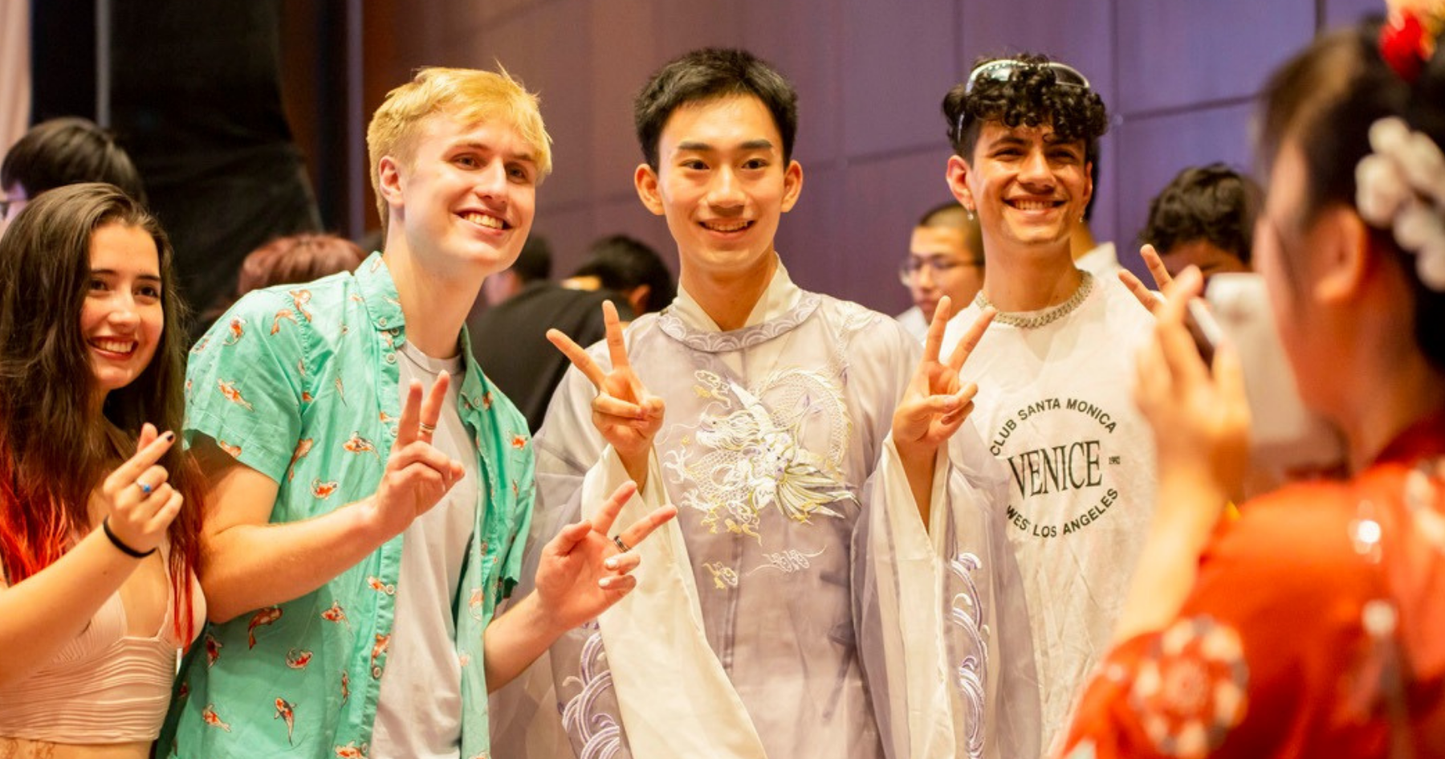
Harvard University Model United Nations China (HMUN China) is one of the most academically and internationally recognized Model United Nations conferences for high school students in Asia. The conference brings together 1,200 elite high school and middle school students from more than 20 countries around the world to debate and negotiate on topical international issues, and to enhance their leadership and international vision through competition and cooperation. As an important global chapter of the 73rd Harvard Model United Nations (HMUN), HMUN China has been successfully held in China for 15 years. The 16th HMUN China Conference, to be held in Guangzhou from August 15 to 18, 2026, will continue the tradition and academic innovation of the conference, and is dedicated to creating a challenging and rewarding academic and social experience for delegates.


Description
Learning Outcomes
*Upon enrolment and successful admission into this programme, you will be eligible for scholarships for the Coursera online courses leading to the Google Career Certificate, available exclusively on AISL Mall.

What is Harvard Model United Nations (HMUN)?
Harvard Model United Nations (HMUN) is a four‑day international relations simulation for high‑school students held annually in downtown Boston. At HMUN, delegates assume the roles of world leaders and international decision‑makers—an exciting opportunity for young leaders to debate the most pressing issues of the day and to draft innovative, creative solutions. Participants will develop several skills throughout the HMUN process, including but not limited to: leadership, public speaking, negotiation, teamwork, and policy‑crafting.
True to the spirit of the United Nations, HMUN strives to foster a constructive forum for open dialogue on a range of complex issues. We ask delegates to think critically about the world around them in new and ambitious ways. What is the purpose of multilateral organisations like the United Nations? What goals can such organisations achieve? How do we balance the regional interests of a nation with those of the international community? How do we ensure that those with power use it responsibly? What can young people do to effect change in their own communities and the world at large?
HMUN 2026 builds upon seventy‑two years of prior experience. In 1927, Harvard held its first annual Model League of Nations, followed by the first Harvard Model United Nations conference in 1953. This longevity, paired with a deep commitment to innovation, makes HMUN the premier simulation of its kind across the world.
The Conference
Four Conference Highlights
-
Substantive Excellence
HMUN China will invite more than ten conference directors and organising committee staff from Harvard University, who have spent a year crafting the most comprehensive and timely background guides for delegates and will chair all committee sessions throughout the conference.HMUN China aims at bringing excellent academic experiences and educational value to delegates, whose skills in public speaking, written expression andleadership will be developed. Also, their international perspectives and understanding of the intricate global landscape will be enhanced. -
International Conference
HMUN China, as an international MUN conference, gathers elites from around the world. Delegates from over 20 countries with diverse cultural backgrounds and learning experiences engage in close exchanges and collaboration, assuming the roles of diplomats from various UN member states, to debate international hot topics. Young people from all corners of the globe will deliver speeches and engage in English debates during the conference to negotiate win-win solutions from a global citizen's perspective. -
Harvard Experience in China
HMUN China is committed to bringing the true spirit of the UN and the classic academic experience of Harvard MUN to China, allowing delegates to engage in in-depth research on the agenda topics and experience the diplomatic spirit of cooperation and dialogue. Conference directors from Harvard University will engage with delegates through the 'Directors Panel' and during breaks, providing an excellent opportunity for attendees to gain firsthand knowledge about Harvard University's curriculum, campus life, and extracurricular activities.
-
Various Social Events
Following the tradition of Harvard MUN, HMUN China includes various activities over the four-day conference. The Global Village not only provides delegates with insights into the cultures of different countries, but also offers a platform for them to showcase their skills. The dance party creates a relaxed and enjoyable atmosphere, fostering communication and friendship among young participants. The Directors Panel provides delegates with the opportunity for close dialogues with outstanding Harvard students.
Introduction to Committees
-
Fourteen Committees with Diverse Topics
HMUN China 2026 features 14 committees of different sizes and focused areas, providing delegates with diverse topics. Whether they are newcomers to MUN or experienced veterans, and regardless of their interests in international security, humanitarian issues, the natural environment, or science and technology, participants will find a committee suitable for them. -
Three Categories of Committees
The 14 committees are divided into three main categories: the UN General Assembly, the UN Economic and Social Council and Regional International Organisations, and Specialised Agencies. The conference adheres to academic innovation by introducing some special committees, such as the International Business Challenge and the Historical Crisis Committee. Also, this year's conference features special agencies themed around futuristic crisis, allowing delegates to delve into the future.
Committees Agendas
*HMUN China 2026 will be divided into Beginner, Intermediate and Advanced committees based on the level of difficulty. The Beginner committees are suitable for students attending Model United Nations for the first time, the Intermediate committees are designed for students with some prior conference experience, and the Advanced committees are intended for students with extensive MUN experience or a high level of English proficiency.
I. General Assembly
Committee Size: 70 people, Number of Committees: 6
The UN General Assembly (UNGA) is one of the most important organs within the UN system. All 193 member states have a seat in the UNGA, adhering to the principle of "one country, one vote". The UNGA has the authority to discuss any issue within the UN Charter and make recommendations to member states and the Security Council. Delegates need to advocate for the interests of their represented countries, consider the demands of allies, and be accountable for the overall progress of the committee.
- Agenda: Disarmament and International Security Committee (DISEC)(Intermediate)
- Agenda: The Weaponisation of Natural Resources Social, Cultural, and Humanitarian Committee (SOCHUM)(Beginner)
- Agenda: The Future of Foreign Aid in International Development Special Political and Decolonisation Committee (SPECPOL)(Intermediate)
- Agenda: Governance and Sustainable Development in Western Sahara, United Nations Commission on the Status of Women (UNCSW)(Beginner)
- Agenda: Gender-Based Cultural and Religious Discrimination in Multiethnic States International Telecommunication Union (ITU)(Intermediate)
- Agenda: European Union Cybersecurity United Nations Development Programme (UNDP)(Beginner)
- Agenda: Addressing the Development and Distribution of Pharmaceuticals
II. Economic and Social Council & Regional Bodies(ECOSOC & RB)
Committee Size: 50 people, Number of Committees: 4
The UN Economic and Social Council (ECOSOC) is one of the six principal organs of the UN, responsible for addressing economic and social issues related to human development. In today's multipolar world, regional international organisations also play an indispensable role in addressing regional issues and advocating for dialogues and cooperation among nations. In medium-sized committees, delegates will gain insight into the subtleties of geopolitical dynamics in handling international relations.
- Commission on Population and Development (CPD)(Beginner)
Agenda: Ageing Populations and the Future of the Global Labour Market - Commission for Social Development (CSocD)(Advanced)
Agenda: Constitutional Bids for Independence - United Nations Economic and Social Commission for Asia and the Pacific (UNESCAP) (Intermediate)
Agenda: Economic Reforms Between Asian and Pacific States - Association of Southeast Asian Nations (ASEAN)(Advanced)
Agenda: Myanmar Military Coup
III. Specialised Agencies
Committee Size: 30 people(60 for IBCC), Number of Committees: 4
Compared to other committees, the Specialised Agencies, among the most creative committees in HMUN China 2026, have smaller sizes and tighter schedules. The topics span various fields, time periods, and regions, allowing delegates to delve deeper into complex international issues. With crises emerging rapidly and constantly evolving, discussions here are more confrontational. Only delegates who have conducted thorough research, are familiar with the topics, and possess strong adaptability in crisis situations will ultimately stand out.
- Futuristic Crisis Committee (FCC)(Advanced)
Agenda: The Final Coastline (2100) - World Health Organisation (WHO)(Beginner)
Agenda: Real-Time Pandemic Response - Historical Crisis Committee (HCC)(Intermediate)
Agenda:1900 Boxer Rebellion - International Business Challenge Committee(IBCC)(Advanced)
Agenda: Business Cooperation and Competition between China and the US
The committee will highly reproduce real business and trade scenarios, and delegates will play the roles of manufacturing industry, the import and export trade industry, simulated government representatives and international news media in the U.S.- China business environment. They will engage in in-depth exercises centred around international trade negotiations and policymaking. This first-of-its-kind committee will provide an immersive experience for delegates eager to explore global business and trade, as they face the complexities of an ever-changing international business environment and develop innovative solutions to reshape the economic landscape through strategic negotiation and business model innovation.
Academic Highlights
-
Debate
Debate is the cornerstone of MUN conferences and the primary form of communication among delegates. Like the real UN, HMUN China provides delegates with a platform for exchanging viewpoints, integrating positions, and formulating solutions. Debate in Model UN conferences emphasise language accuracy, logical consistency, and comprehensive strategic planning. Delegates should prepare well both the content and language for the debates. -
Formal Documents
HMUN China maintains strict academic standards for documents produced during the conference. The resolution, to be passed by the conference and deemed valuable, should be the result of days of intense debate and negotiation. Working Papers serve to collect the more developed viewpoints and circulate within the committee. Once the viewpoints in the working papers have been thoroughly discussed, delegates write them into formal draft resolution following the format of real UN resolutions. To encourage delegates to achieve cooperation to the fullest extent, HMUN China does not designate formal drafting nations for resolutions, and only one draft resolution per agenda can be passed as the final resolution. -
Crisis
Crisis are essential tools in MUN for testing delegates' diplomatic adaptability to unforeseen events, enhancing the academic challenge and enjoyment of the conference. In HMUN China, crisis events are typically introduced through news reports, expert witness testimonies, or video clips. When a crisis event occurs, delegates must seek solutions within limited timeframes. Crises add complexity and unpredictability to the agenda, reflecting the unpredictable nature of international affairs.
Special Events
-
Directors Panel
The Directors Panel, hosted by Harvard students, allows delegates to learn about Harvard culture and explore new fields of knowledge. High school students will engage in face-to-face talks with Harvard students, gaining insights into the
college application process. The Directors Panel features multiple themed sessions on university life and academic planning, Harvard culture, international relations, technology, the arts, and so on. -
Global Village
Outside the committee sessions, the delegates will be fascinated by the diverse cultures of the international community. The Global Village, akin to a "world expo" within the Model UN conference, allows delegates to appreciate the traditional costumes, cultural customs, speciality foods, and artistic performances, which are prepared by the delegations applying for exhibition booths. Moreover, the delegations can apply to perform on stage. The Global Village serves as an excellent platform for delegates to explore the world, unleash their creativity, and foster friendships. -
Delegate Dance
The delegate dance, a traditional feature of international MUN conferences, is highly anticipated by delegates in previous HMUN China conferences. Delegates have the opportunity to relax and enjoy themselves at the dance, fostering friendships in a relaxed and joyful atmosphere. Additionally, they have the chance to make new
friends from different committees.
Registration Process
The registration can be done either as a school delegation or as individuals. When the number of registrants from the same school reaches 5 or more, it will be considered as a delegation. Due to the limited number of committee seats, applicants should register as early as possible. Please carefully read the following instructions before registering.
-
Registration Period:
Registration opens on March 11, 2026, and the final deadline for registration is August 5, 2026. -
Eligibility:
Applicants must be students in Grade 7-12 and at least 13 years old. The participants are recommended to be accompanied by an adult advisor or guardian.
Conference Fee Information
-
Conference Fee:
The stated price reflects the early‑bird discount and will be subject to an increase after 31 March 2026.*The Early Bird discount ends on 31 March. From 1st April to 13 July, prices will be HKD 4,760 (conference only) and HKD 14,328 (with bootcamp). All of AISL Mall stated fees include a 4% Stripe payment processing fee. The fee includes venue rental, conference materials, access to the global village and dance activities, conference certificates, etc. The conference fee does not cover accommodation, meals, or transportation during the conference.
-
- Early Bird tickets are non‑refundable and non‑postponable, but transferable.
- Once the entry fee is paid, if the participant applies to withdraw before receiving the country assignment, 50% of the entry fee will be deducted as a penalty.
- The conference fee will NOT be refunded if you apply to withdraw after the country assignment is issued. However, in this case, you may transfer your seat to another delegate, but please make sure to have the organising committee informed of the recipient's information before August 1st 2026.
- Please provide your name as spelt in pinyin on official documents, or your preferred English given name plus your surname. A handling fee will be charged for certificate corrections due to incorrect name entry.
-
Late Fee:
Delegations that fail to upload delegates' names or submit the "Liability Waiver" by August 10th will be subject to a late fee of 40 USD (300 RMB) per delegation. -
Hotel Accommodation Information:
The conference will be held at the Nansha International Convention & Exhibition Center, delegates can choose either hotel rooms in the Nansha International Convention & Exhibition Center or nearby hotels. HMUN China host team will provide proper assistance in hotel booking or hotel recommendations. Please contact support@aislmall.com for more information. -
Dining Arrangements:
There are numerous restaurants within walking distance of the convention center, providing delegates with diverse dining options. It is recommended that delegates dine together with new acquaintances to foster their friendships through meaningful communication.

Conference Schedule
The HMUN China 2026 will be held in Guangzhou from August 15th to 18th. There will be daily meetings for faculty advisors throughout the conference. Registration Time: August 15th 10:00-14:00. The conference opening ceremony is scheduled to commence at 15:30.
End Time: August 18th, 15:00. The conference closing ceremony is expected to end by 15:00. The final conference schedule will be provided in the "Conference Handbook" distributed on the day of registration.
Conference Venue
Nansha International Convention & Exhibition Center is located on Hengli Island, Mingzhu Bay, Nansha, Guangzhou, at the core of the Guangdong-Hong Kong-Macao Greater Bay Area, serving as a key high-end exhibition and convention hub. Supported by convenient transportation, complete supporting facilities and professional services, it has become an important window for showcasing the image of the Greater Bay Area and promoting international exchange and cooperation.
The HMUN Bootcamp
The 16th HMUN China is proud to introduce a special four-day Bootcamp, which is organised by the Harvard MUN and is designed for Chinese students aged 13 to 18. The participants will immerse themselves in a series of courses related to MUN, international relations, and diplomacy at the training camp, which will help students new to MUN activities better prepare for HMUN China and enhance the performance of students with prior MUN experience. It will take place from August 11th to 14th, 2026, after which, the students will participate in the four-day HMUN China Conference.
- Systematic learning of Model UN knowledge ensures your best performance at the conference!
- Enhanced English speaking skills to boost your confidence in public speaking!
- Familiarity with the conference procedures makes you sail through the conference!
- High-quality face-to-face teaching gains you more attention and interaction from
tutors!
The Bootcamp Curriculum
Economic Foundation, Environment Foundation, Healthcare Foundation, Law Foundation, MUN Rules and Procedures, MNU Document Writing, MUN Academic Research, MNU Public Speaking, Debate and Critical Thinking, International Relations
HMUN Bootcamp Information
Dates: August 11th - August 14th
Location: International School in Bay Area
Tutors: All courses will be taught in English by members of the Harvard MUN Executive Board.
Benefits: Upon the completion of all courses, students will receive an official certificate from HMUN
HMUN Training Bootcamp Fee:
- If a student requests withdrawal before June 15, 2026 (excluding June 15), the organising committee will deduct 25% of the total training camp fee as a penalty and refund the remaining amount.
- If a student requests withdrawal between June 15, 2026 (inclusive) and July 11, 2026 (inclusive), the organising committee will deduct 55% of the total training camp fee as a penalty and refund the remaining amount.
- If a student requests withdrawal after July 11, 2026 (excluding July 11), the organising committee will not refund any fees.
- If a student is unable to attend the training camp or continue learning due to illness before or during the camp, the student's guardian must notify the organising committee in writing and provide valid medical proof. The organising committee will deduct any incurred expenses and refund the remaining amount within thirty working days.
In partnership with
